
14 April 2026
Truck tolls in the Netherlands from 2026: what will change?
The truck toll will be introduced in the Netherlands in mid-2026. On this page, we will discuss the associated changes.

.png)


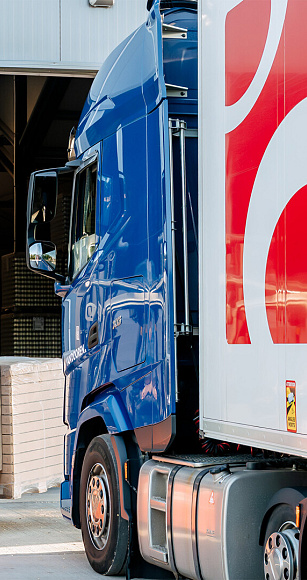
The truck toll will be introduced in the Netherlands in mid-2026. On this page, we will discuss the associated changes.
This new kilometer charge applies to all highways, a number of N-roads, and some local roads near larger cities. The charge is mandatory for trucks with a maximum authorized mass of more than 3.5 tons, regardless of whether they have Dutch or foreign license plates. This kilometer charge brings with it a number of important changes and will have significant consequences for the transport sector.
The exact date of introduction of the truck toll is not yet known, but the Ministry of Infrastructure and Water Management is now aiming for 'mid-2026&#

The net proceeds from the truck toll are managed by the Ministry of Infrastructure and Water Management (I&W). The money is invested in innovation and sustainability within the transport sector, with a focus on electric trucks and hydrogen vehicles. This is an important milestone, as the revenue from the toll is directly linked to investments in the sector, a result of successful lobbying efforts by TLN, among others. TLN is also in talks with the minister about the exact allocation of the funds.
In 2024, the government set out the rates in a draft bill that will be debated in the House of Representatives in the spring of 2025. The government is proposing an average rate of 17.5 cents per kilometer. The exact proposed rates can be found here. The rates that will actually apply when the truck toll comes into effect may differ from these.
The amount of the truck toll will depend on two factors:
This data is taken from the RDW vehicle registration database, which is currently being updated.
The truck toll will be collected in the same way as in neighboring countries. Transporters must have a GPS onboard unit (OBU) in their vehicle, which records where and how many kilometers have been driven on the toll network. This data is read via toll portals and an invoice is generated.




To pay the levy, transporters must enter into a contract with a toll service provider. There are two options:
Update: Four commercial providers are currently preparing to obtain accreditation. Two providers – Toll4Europe and Telepass – have now taken the next step towards being admitted to the Dutch truck toll system.
The kilometer charge will apply to almost all highways and a number of provincial (N) roads. You can find the current road map here.
Road
map Truck charge